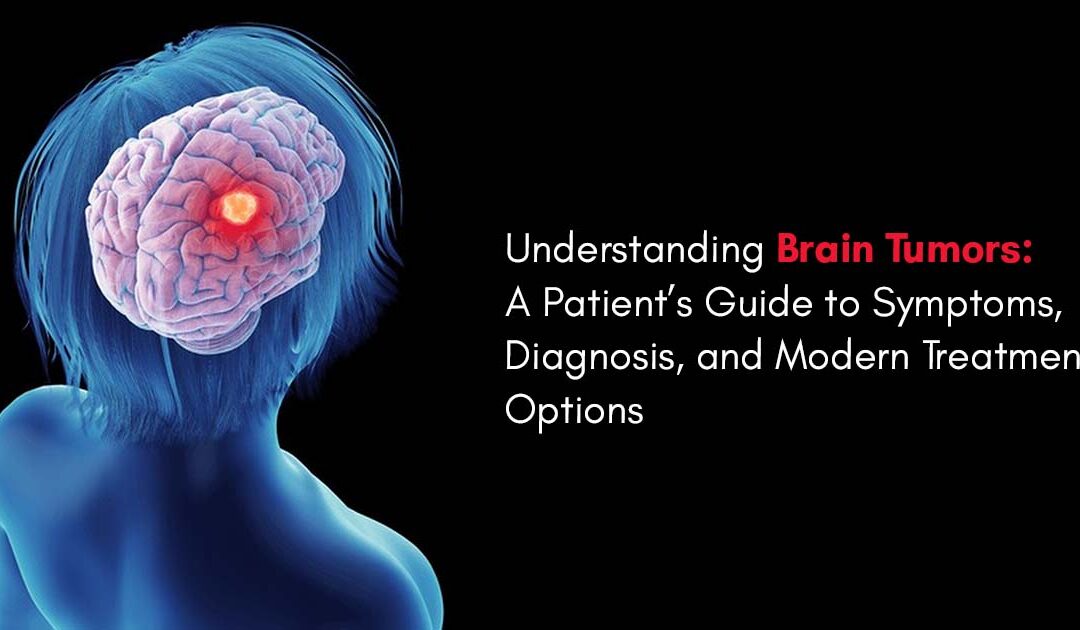
Hearing the words brain tumor can be deeply overwhelming, for patients, families, and loved ones. The topic often carries fear, uncertainty, and confusion. But today, neuro-oncology has made incredible progress, and many brain tumors are treatable, manageable, and in some cases, completely curable. Whether benign or cancerous, early understanding makes a significant difference in outcomes and peace of mind.
What Exactly Is a Brain Tumor?
A brain tumor happens when abnormal cells grow inside the brain.
There are two main types:
1. Benign Brain Tumors
- usually slow-growing
- non-cancerous
- rarely spread to other organs
2. Malignant Brain Tumors
- cancerous
- can grow faster
- may invade surrounding brain tissue
Tumors can also be primary (originating in the brain) or secondary (spread from another part of the body, like lung or breast cancer).
Common Symptoms Patients Notice
Because the brain controls everything we do, movement, memory, vision, personality, tumor symptoms vary depending on location and size.
Some of the most common warning signs include:
- persistent headaches
- nausea or vomiting without a stomach illness
- sudden vision changes
- seizures (especially first-time seizures in adults)
- memory issues
- speech difficulty
- imbalance or coordination problems
- changes in behavior or personality
Not every headache means a tumor, but persistent or unusual symptoms should always be discussed with a neurologist.
Headaches and Brain Tumors: How to Know the Difference
Patients often fear a headache means cancer, but most headaches are not caused by tumors. The ones we worry about include:
- headaches worsening over time
- headaches worse in the morning
- headaches associated with vomiting
- headaches with neurological symptoms
Again, the key is persistence and “change from your usual pattern.”
When Should You See a Specialist?
You should seek medical evaluation if you have:
- frequent unexplained neurological symptoms
- new seizures
- sudden behavioral changes
- persistent vision or speech difficulties
Consulting a neurologist or neurosurgeon early helps rule out serious concerns and, if needed, begin timely treatment.
How Brain Tumors Are Diagnosed
Diagnosis usually happens in several scientific and imaging steps.
1. Neurological Examination
A doctor checks:
- reflexes
- strength
- balance
- coordination
- eye movement
- memory and language
2. Brain Imaging
The most important test is MRI, which provides a detailed picture of the brain.
Other tests may include:
- CT scan
- PET scan
- functional MRI
3. Biopsy
Sometimes, doctors remove a small tissue sample to confirm the exact tumor type. This step helps decide the best possible treatment.
Modern Treatment Options in Neuro-Oncology
Treatment depends on the tumor’s type, size, location, and grade. Today, there are multiple advanced and minimally invasive treatment strategies available.
Surgery
Surgery is often the first step to:
- remove maximum tumor tissue
- relieve pressure in the skull
- reduce symptoms
- enable biopsy
Modern neurosurgery uses:
- neuronavigation
- endoscopy
- awake brain surgery
- intraoperative MRI
These technologies make surgery safer and more precise.
Radiation Therapy
Most tumors are treated with targeted radiation after surgery to remove remaining cells.
Advanced techniques include:
- stereotactic radiosurgery (Gamma Knife)
- IMRT
- proton therapy
These methods focus radiation exactly on tumor tissue while protecting healthy brain structures.
Chemotherapy
Modern chemotherapy uses targeted drugs that attack tumor cells while sparing healthy brain tissue as much as possible.
Targeted Therapy & Immunotherapy
A major advancement is the use of molecular and genetic testing to choose medicines that specifically target tumor mutations.
These treatments represent a major leap in long-term survival for certain tumor types.
Life After Diagnosis: What Patients Should Know
Receiving a brain tumor diagnosis is emotionally heavy. But remember, every case is unique. Many patients continue normal routines, work, hobbies, and family life, especially with early treatment and good support.
What helps you cope?
- asking questions
- creating a treatment plan
- staying informed
- family involvement
- counseling support
- staying active within safe limits
Mental health support is as important as the medical treatment itself.
Can Brain Tumors Be Prevented?
There is no single way to prevent tumors, but taking care of overall health reduces risks. Avoiding tobacco, limiting radiation exposure, managing chronic illnesses, and regular check-ups play a role.
Hope in Neuro-Oncology: The Future Looks Promising
Over the past decade, brain tumor treatment has transformed. Today we have:
- precision medicine
- minimally invasive neurosurgery
- targeted therapy
- advanced radiation modalities
- clinical trials
- better survival rates
More research is happening every year, giving new hope to patients and families worldwide.
Final Words
Understanding brain tumors helps reduce fear and brings clarity. Modern neuro-oncology now offers more personalized, safer, and advanced treatment methods than ever before. Early diagnosis, the right medical team, and a strong support system make a tremendous difference in quality of life and long-term outcomes.
If you or a loved one is facing symptoms or a recent diagnosis, remember: you’re not alone, and today’s treatments are more effective than ever.