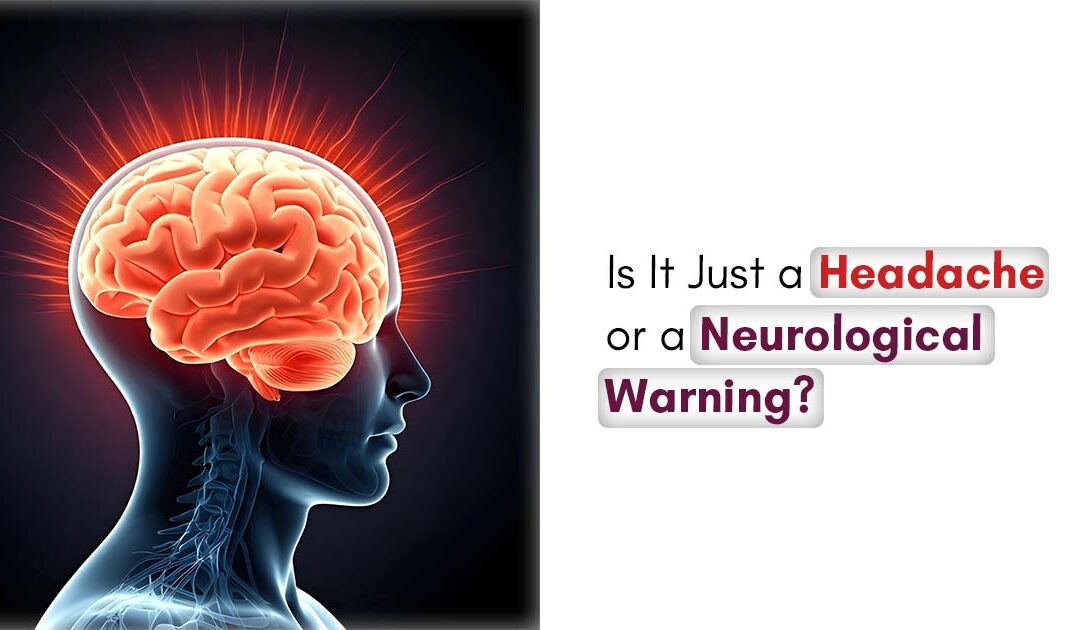
Headaches are incredibly common. Almost everyone experiences them, after long workdays, too much screen time, stress, or even dehydration. Most headaches are harmless and go away with rest, water, or over-the-counter medication. But sometimes, a headache isn’t “just a headache.” Sometimes, it can be a sign of something deeper, something neurological that needs expert attention.
The big question is: How do you know when a headache is normal and when you should consider seeing a neurosurgeon?
This blog will help you understand the difference, recognise warning signs, and know when it’s time to seek specialised care.
Understanding Headaches: The Everyday vs. the Concerning
Headaches can be triggered by many lifestyle factors:
- Lack of sleep
- Stress
- Skipped meals
- Excessive screen time
- Dehydration
- Hormonal changes
These typical headaches usually improve with simple remedies. However, not all headaches have straightforward causes. When pain becomes persistent, unusual, or severe, it may indicate a more serious neurological condition.
Neuralgia – sharp, shooting nerve pain, can also mimic headaches but often stems from irritated or compressed nerves. Conditions like trigeminal neuralgia, occipital neuralgia, or cervical spine issue can all produce pain that feels headache-like.
Understanding the pattern and severity of your symptoms is the first step.
When Headaches Could Signal a Neurological Issue
While most headaches are benign, certain symptoms should raise red flags. These warning signs suggest that something more serious may be going on, possibly requiring evaluation from a neurosurgeon.
1. Sudden, Severe “Thunderclap” Headache
A headache that comes on suddenly and feels like the “worst headache of your life” needs urgent medical attention. This can be associated with conditions like brain hemorrhage or aneurysm.
2. Headaches That Worsen Overtime
If your headaches are becoming more frequent or more painful, it could indicate underlying issues. Progressive worsening may point to increased pressure inside the skull or structural abnormalities.
3. Headache With Neurological Symptoms
Seek immediate care if your headache is accompanied by:
- Weakness
- Difficulty speaking
- Vision changes
- Numbness or tingling
- Confusion
- Loss of coordination
- Seizures
These could be signs of nerve compression, stroke, or other neurological disorders.
4. Headaches After Injury
A hit on the head, even if mild, can sometimes cause complications like internal bleeding or brain swelling. If headaches persist or worsen after trauma, medical evaluation is necessary.
5. Headache With Vomiting or Early Morning Symptoms
Headaches that are worse in the morning or accompanied by nausea/vomiting can be related to raised intracranial pressure. This symptom pattern should never be ignored.
6. Headache Along With Facial or Nerve Pain
Sharp, electric-shock-like pain in the face or head could indicate neuralgia, often treated by neurologists or neurosurgeons. Trigeminal neuralgia, for instance, is one of the most painful neurological conditions and requires specialised care.
Common Neurological Causes Behind Serious Headaches
A neurosurgeon may be involved when headaches are linked to structural or nerve-related issues such as:
- Brain tumors (benign or malignant)
- Aneurysms or vascular malformation
- Trigeminal neuralgia or other neuralgias
- Chiari malformations
- Cervical spine disorders
- Hydrocephalus (excess fluid build-up)
- Post-traumatic complications
These conditions are not common, but it’s important to identify them early.
When to Visit a Neurosurgeon vs. a Neurologist
This is a common confusion.
- Neurologistsdiagnose and treat headaches and neurological disorders through medicines and non-surgical approaches.
- Neurosurgeonsstep in when structural issues, nerve compression, or conditions requiring surgical intervention are suspected.
If your headache doesn’t respond to medication, continues worsening, or is associated with neurological deficits, your neurologist may refer you to a neurosurgeon for further evaluation.
Diagnosis: What to Expect
If a neurosurgeon suspects something neurological, they may recommend:
- MRI or CT scan
- Nerve conduction studies
- EEG (if seizures are involved)
- Angiography (for vascular issues)
These tests help pinpoint the cause and guide the right treatment.
Managing Headaches While You Seek Answers
While waiting for appointments or results, there are ways to manage symptoms safely:
- Stay hydrated
- Ensure adequate sleep
- Manage stress through meditation or breathing exercises
- Maintain eye breaks during screen time
- Identify and avoid triggers (certain foods, lighting, lack of rest)
- Seek medical advice before trying new medications
Lifestyle habits play a major role in both prevention and relief.
Early Detection Is Key
Headaches are a part of life, but ignoring unusual or persistent patterns is risky. Recognizing red flags early can help prevent complications and lead to better outcomes.
Seek help if:
- Your headache feels different from usual
- It interferes with daily life
- It comes with neurological symptoms
- It persists despite medication
Trust your instincts, your body often knows when something is wrong.
Conclusion
Not every headache is a sign of danger, but some are warning signals that your nervous system needs attention. Understanding the difference empowers you to take timely action. If your headaches are severe, worsening, or accompanied by unusual symptoms, don’t delay seeking medical advice.
A neurosurgeon can help uncover the root cause and guide you toward the right treatment, ensuring your health and peace of mind.
Your health is worth the attention. Never hesitate to ask questions or seek a second opinion. The earlier the intervention, the better the outcomes.