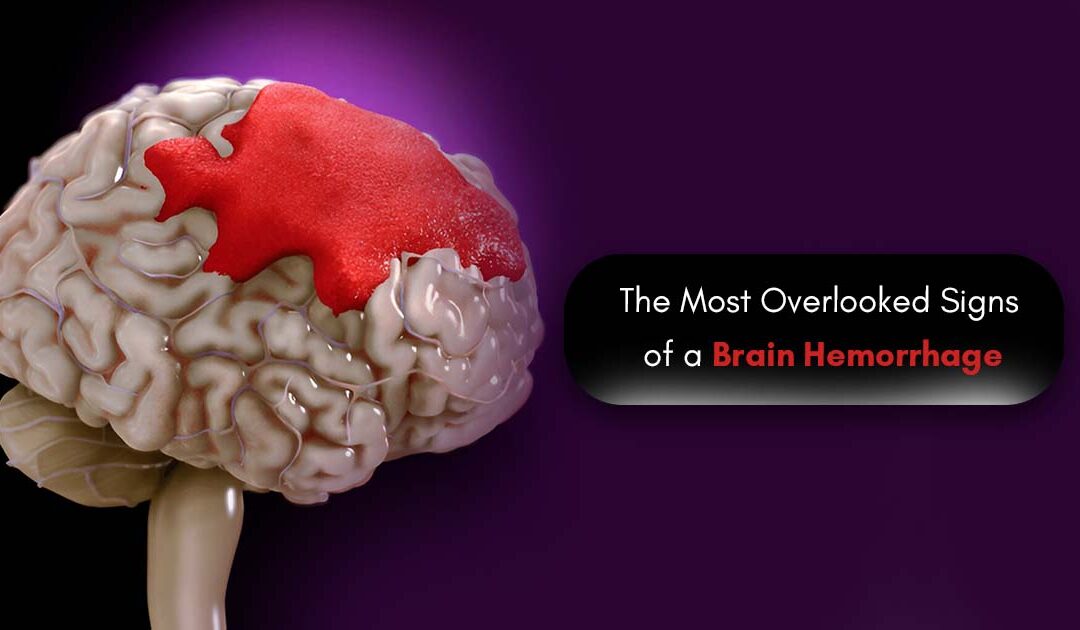
A kind of stroke caused by bleeding within the brain is an intracranial hemorrhage. It may result from a head injury due to a car accident or a fall.
Your brain will not get oxygen. It relies on blood vessels to supply it with nutrients. So when a brain bleeds, it is because the vessel has leaked or burst. This blood will then accumulate in your skull and brain, compressing them. This makes it hard for the oxygen and nutrients that manage to get to your brain tissues and cells.
Brain bleeds are very prevalent in accidents and trauma injuries. Individuals with untreated levels of high blood pressure are also bound to experience this disorder. Brain bleed is not a matter of casualty. It is a life-threatening medical condition that strikes in less than four minutes, targeting your brain cells that lack oxygen. For the maximum result, instant and speedy treatment is very much necessary.
What Are the Kinds of Brain Bleeds?
Brain bleed is a colloquial term for intracranial hemorrhage in medical terminology. Since it is a generic term, the medical staff usually specifies where the trouble is by naming where the bleeding is occurring.
Based on this definition, there are two major types of bleeding:
- Except for your brain tissue, within the skull.
- Within the brain tissue.
Let us go ahead in detail regarding the contents inside the skull to understand better. Your brain consists of three layers, similar to an onion. They are referred to as membranes (meninges) between the bony skull and the brain tissue. The three membranes enveloping and safeguarding your brain are referred to as dura mater, arachnoid, and pia mater. The bleeding can happen at any location in these three membranes, which determines the extent of the medical condition.
Are Hemorrhages Dangerous?
The severity and importance of a brain bleed may be influenced by the following factors:
- Cause
- Area of the skull affected
- The size of the bleeding
- The time elapsed between bleeding and treatment
But it is dangerous and causes permanent brain injury because brain cells do not regenerate after they have died. Injury, therefore, can be fatal and cause physical, mental, and task-based disability.
What Are the Symptoms of a Brain Hemorrhage?
The first sign in most people with a brain bleed is a very bad, sore headache. While this is the first sign, the rest are not the same:
- Dizziness
- Confusion
- Nausea and vomiting
- Slurred speech
- Daytime drowsiness or insomnia
- Sudden tingling, weakness, numbness, paralysis of the face, arm, or leg, often on one side of the body
In addition to these symptoms, one may even experience:
- Trouble swallowing
- Vision loss
- Stiff neck
- Sensitivity to light
- Loss of coordination or balance
- Breathlessness and abnormal heart rhythm
- Seizures
- Loss of consciousness and coma
What Are the Causes of Hemorrhage?
A brain bleed may be caused by:
- Head trauma
- Atherosclerosis
- A blood clot
- Cerebral aneurysm
- Brain tumor
- Protein buildup in artery walls
- A leak resulting from an abnormally developed connection between veins and arteries (AVM)
Diagnosis and Tests
A physician may diagnose a brain hemorrhage after a physical examination, including a neurological examination and testing. Once they have listened to your signs and symptoms, medical history, and perhaps your family history, they may schedule an imaging scan of CT, MRI, or MRA for further testing. These tests may identify the location, size, and cause of the brain hemorrhage.
Other tests may be:
- Chest X-Ray
- Urinalysis
- Complete Blood Count
- Lumbar puncture
- Angiography (for aneurysm or arteriovenous malformation)
The health care provider can diagnose a treatment regimen based on the site and severity of the bleed. The treatment can be through medication and/or surgery. In severe cases, the choice of supplemental oxygen, a gastrostomy tube, and close monitoring in an intensive care unit can also be made.
How to Prevent a Brain Hemorrhage?:
Though you cannot entirely prevent a brain bleed, you can minimize the risk of it happening.
Controlling blood pressure, maintaining a healthy weight, reducing alcohol consumption, giving up smoking, and eating nutritious food and regular exercise are some ways to manage blood pressure. A brain bleed or hemorrhage is a condition that is an emergency and needs to be attended to before permanent damage is permanent or before loss of life. In the event of a fall or head injury, call emergency services at once.