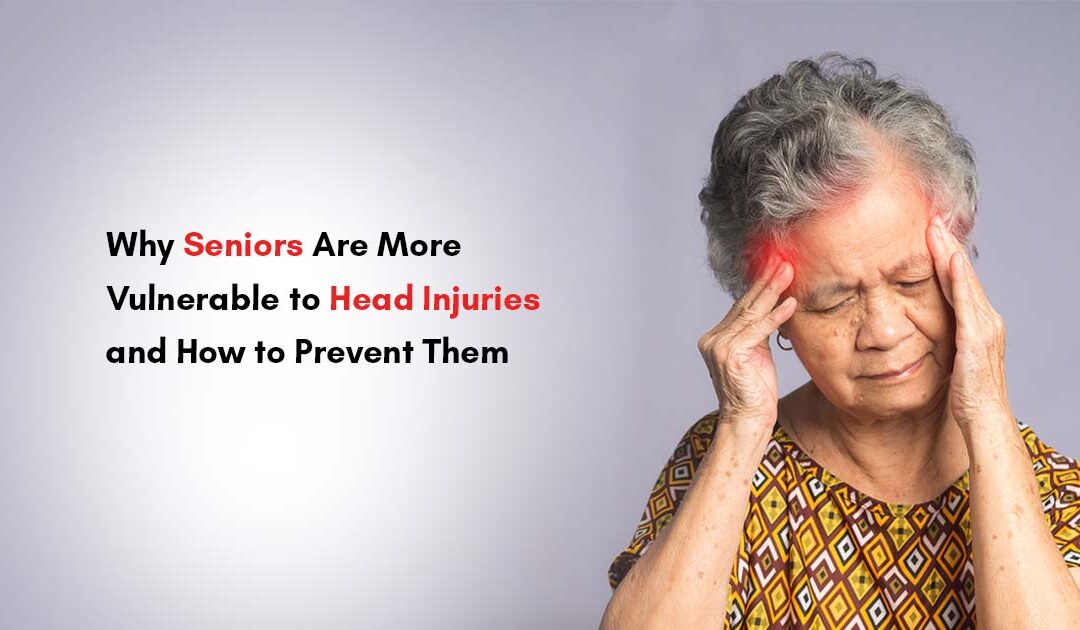
Head injuries are a major concern in the elderly as they are more vulnerable. Age-related physiological changes along with the frequent use of blood thinners significantly increase both the risk of sustaining head injuries and experiencing severe complications. Even trivial head trauma in older adults can sometimes lead to delayed but life-threatening conditions like subdural hematomas. The clinical presentation of head injuries in the elderly is often subtle or atypical, resulting in delayed diagnosis and treatment.
Specific concerns in elderly
- The elderly are more vulnerable to falls because of impaired balance, muscle weakness, medications (e.g., sedatives, antihypertensive), poor vision, etc
- With age, the brain shrinks slightly, increasing the space between the brain and skull. This creates a potential space for blood to accumulate.
- The blood vessels are more fragile in the elderly and are more prone to tearing or rupture even during a minor trauma.
- Many persons may be on blood thinners (e.g., warfarin, apixaban, aspirin, clopidogrel etc.), which increase the risk and severity of bleeding after a head injury.
Types of Head Injuries
- Traumatic Brain Injury (TBI)
- Can range from mild (concussion) to severe.
- Symptoms can range from mild headache, giddiness and confusion in mild cases to weakness, seizures, drowsiness or coma in severe injuries.
- Subdural Hematoma
- Bleeding between the Dura mater (Coverings of the brain) and the brain matter.
- It can be Acute or chronic.
- Chronic subdural hematomas are more common in the elderly due to brain atrophy and frequent blood thinner use.
- Can sometimes present even many weeks after the injury.
- Concussion
- May present atypically in older adults: delayed confusion, fatigue, or balance issues rather than headache or amnesia.
- Skull Fractures
- More serious in older patients due to thinner bones and increased bleeding risk.
Symptoms
Seek medical attention if the elderly person shows any of the following after a head injury
- Loss of consciousness (even briefly)
- Vomiting
- Confusion or memory issues
- Headache that worsens
- vision problems
- Weakness or numbness
- Seizures
- Balance or coordination problems
- Drowsiness or coma
Diagnosis and Management
- CT scan Brain: The first step in evaluation which helps to identify any injury to the brain
- Neuro -Observation: If the CT scan is normal or if there are minor bleeds, such patients are closely observed in a specialised Neurosurgical Care centre for signs and symptoms of raised intracranial pressure for at least 24-48hours.
- Reversal of anticoagulation: In case of bleeding, medications may be given to reverse the effect of blood thinners.
- Surgical intervention: For significant hematomas or increased intracranial pressure, surgery may be needed as a lifesaving procedure.
Prevention of fall among the elderly
- Home safety measures (grab bars, non-slip mats, adequate lighting)
- Regular vision checks
- Strength and balance exercises
- Address orthostatic hypotension, diabetes, or cognitive impairment.
- Educate patients about when to seek care after a fall.
Have a consultation with a medical professional to ensure your loved one can take the necessary precautions to minimize the risk of head injuries.